Outline
About J-PEAKS' Initiatives
Regarding the Program for Forming Japan's Peak Research Universities (J-PEAKS)
The "Program for Forming Japan's Peak Research Universities (J-PEAKS)" is an initiative conducted in parallel with support for internationally outstanding research universities through the University Fund, aiming to enhance Japan's overall research capabilities and promote the creation of new value.It aims to foster the formation of research university clusters that will drive the development of Japan's overall research capabilities. This is achieved by supporting core regional universities and universities with strengths in specific research fields. These institutions will leverage their strengths and distinctive research capabilities as the core of strategic management. They will collaborate with other universities while accelerating the international expansion of research activities and the implementation of research into society, thereby strengthening their research capabilities.
Hiroshima University's J-PEAKS Initiative
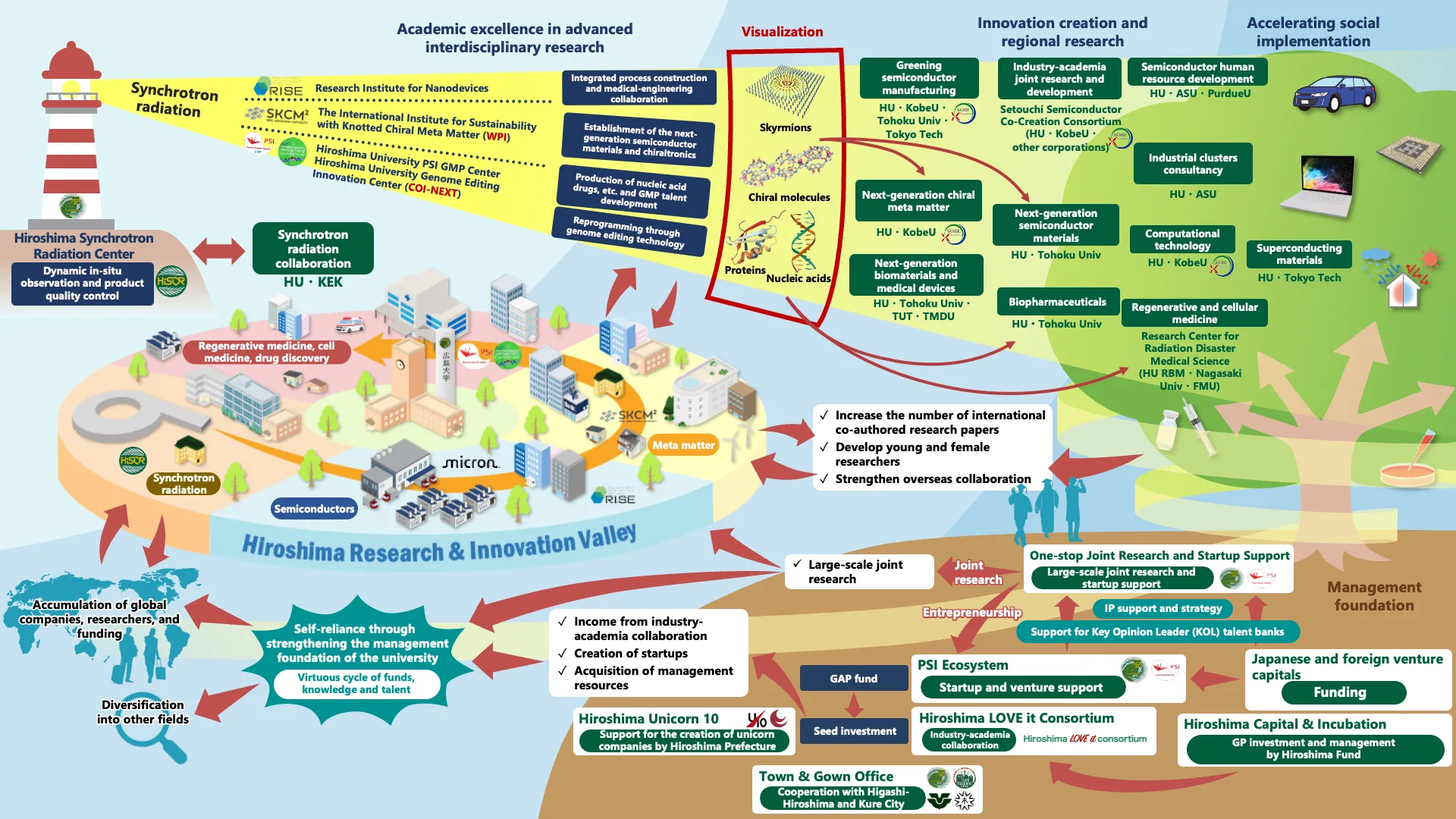
In our initiatives, we will enhance research capabilities by leveraging the internationally outstanding strengths of our university's research. This involves visualizing various materials using globally rare ultraviolet (UV) synchrotron radiation, focusing primarily on interdisciplinary research areas such as semiconductors and metamaterials, regenerative medicine, cell therapy, and drug discovery.
Leveraging the environment and resources of Hiroshima and the Seto Inland Sea region, we will collaborate with participating universities, local governments, and industry to gather global knowledge and further elevate academic excellence.
We will build and implement an internationally oriented regional revitalization model that drives solutions to both internal and external challenges. This includes addressing global issues, creating innovations that lead to social transformation, enhancing the productivity of local industries, and generating employment—all viewed from both global and local perspectives.
To achieve this, our university will become a "hub for people, knowledge, and resources," promoting the smooth and effective circulation of human talent, intellectual property, and resources (funds and information). We aim to foster the concentration of international talent and industries, and to form an ecosystem where different fields converge.
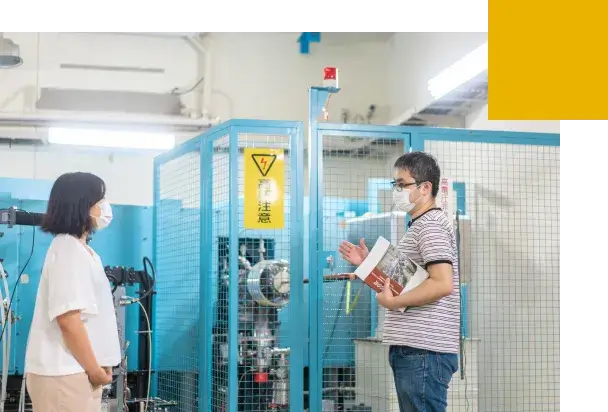
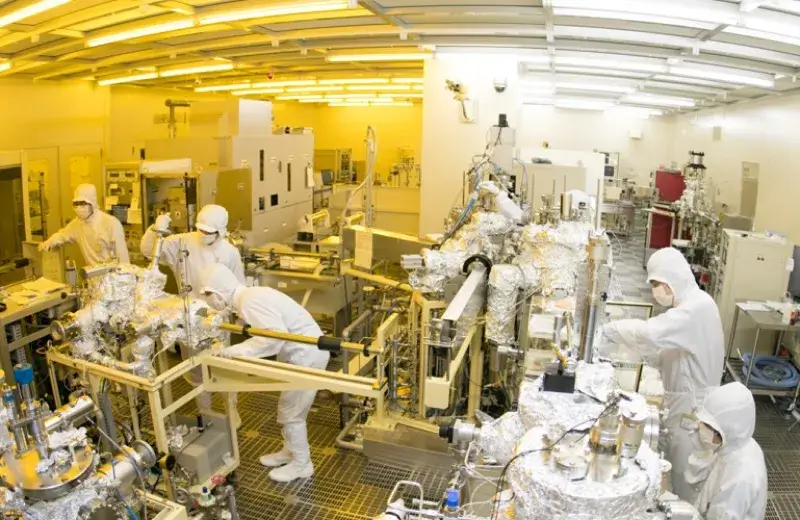
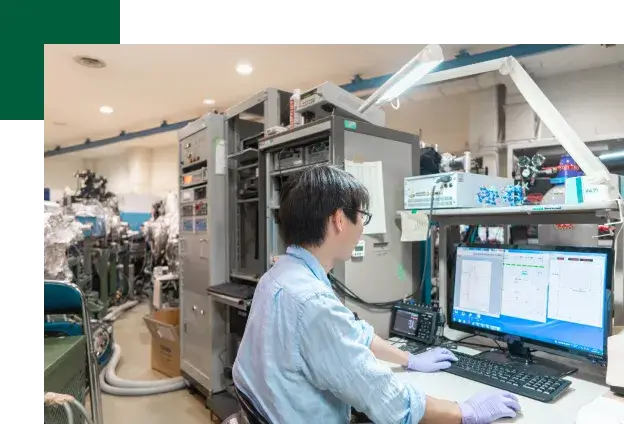
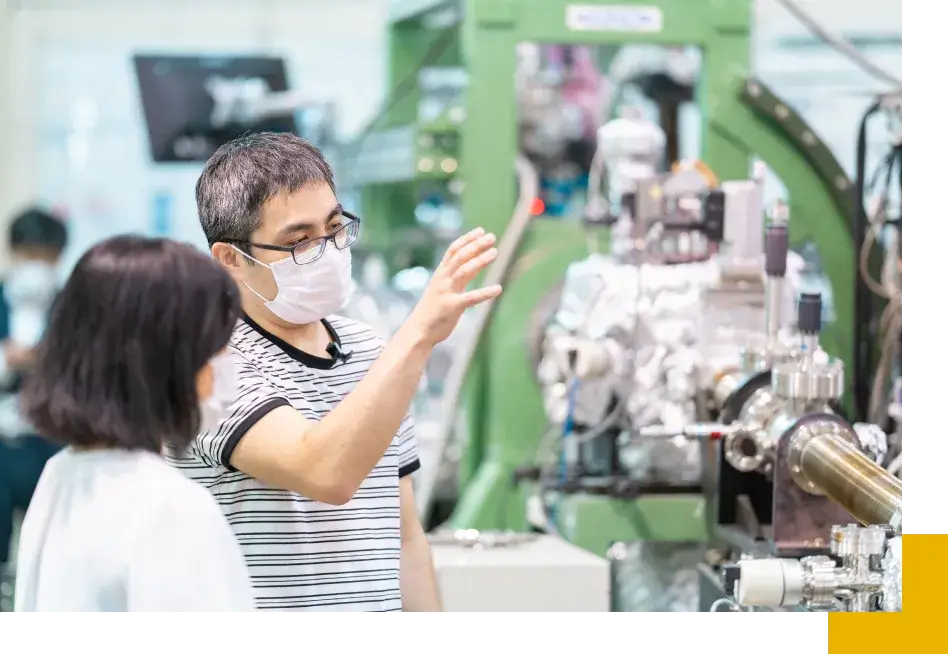
Key Research Institutes
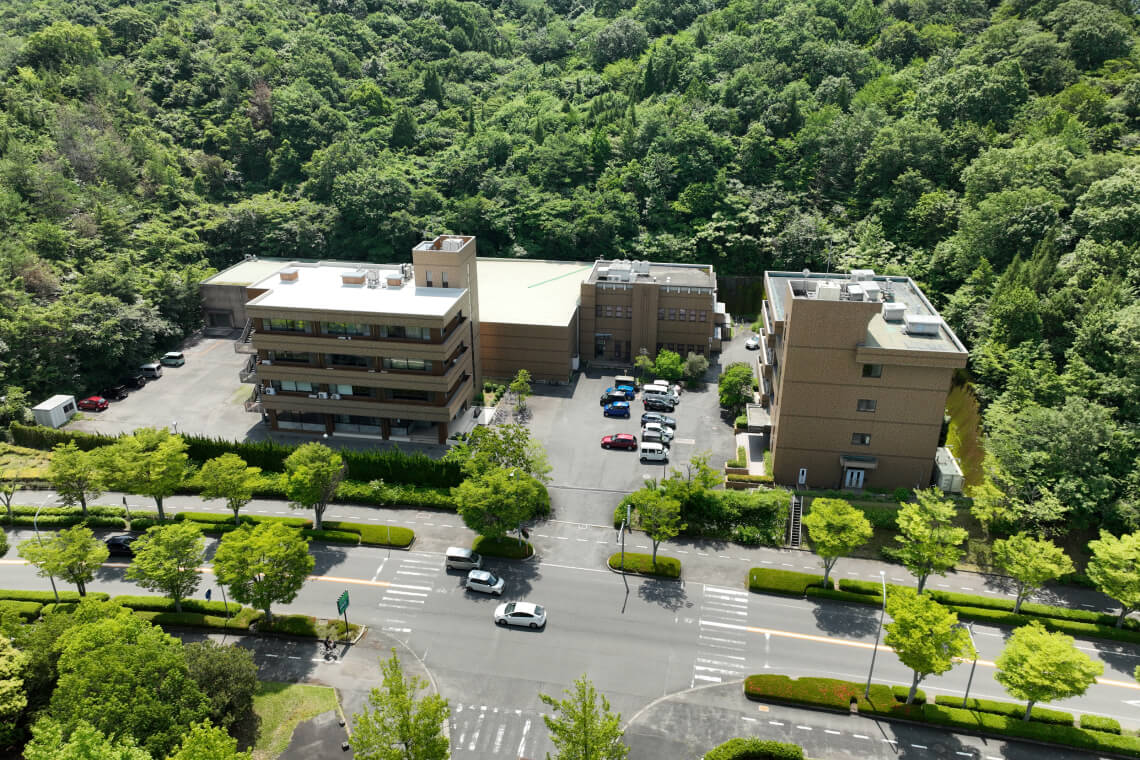
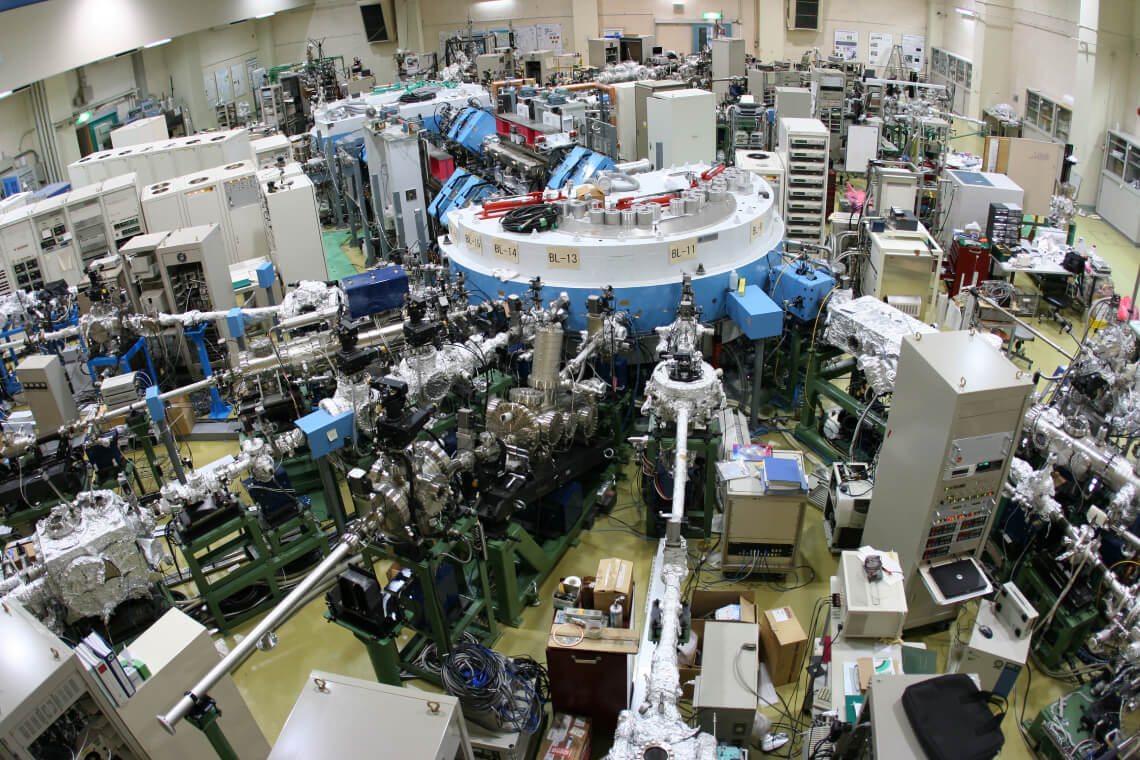
HiSOR Research Institute for Synchrotron Radiation Science, Hiroshima University
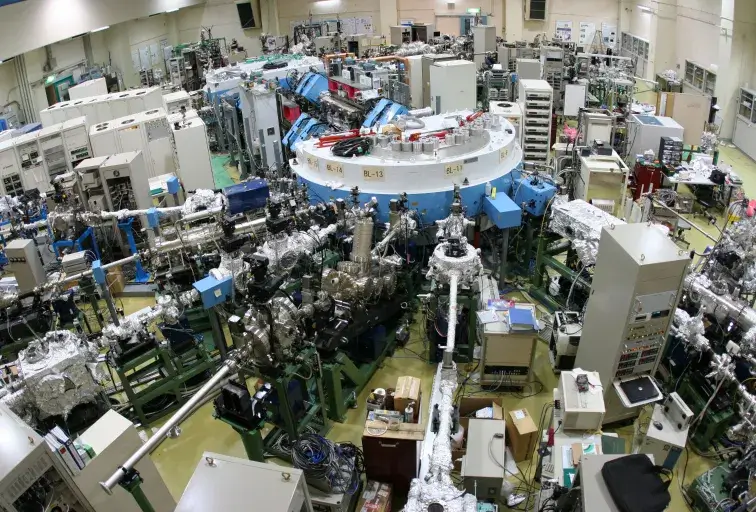
Research Institute for Synchrotron Radiation Science (formerly the Synchrotron Radiation Research Center) (Joint Usage/Joint Research Center "Synchrotron Radiation Materials Physics Research Center") utilizes synchrotron radiation in the ultraviolet to soft X-ray range generated by the High-Intensity Small-Scale Radiation Source (HiSOR) to advance materials science research using world-leading measurement technologies.
As a research hub located within a university, it fosters the development of undergraduate and graduate students, as well as early-career researchers. This is achieved by collaborating with leading researchers from domestic and international universities and research institutions, who bring diverse cultures and backgrounds, on shared research challenges. The institute leverages an environment conducive to mutual learning.
WPI - SKCM2 International Institute for Sustainabilitywith Knotted Chiral Meta Matter
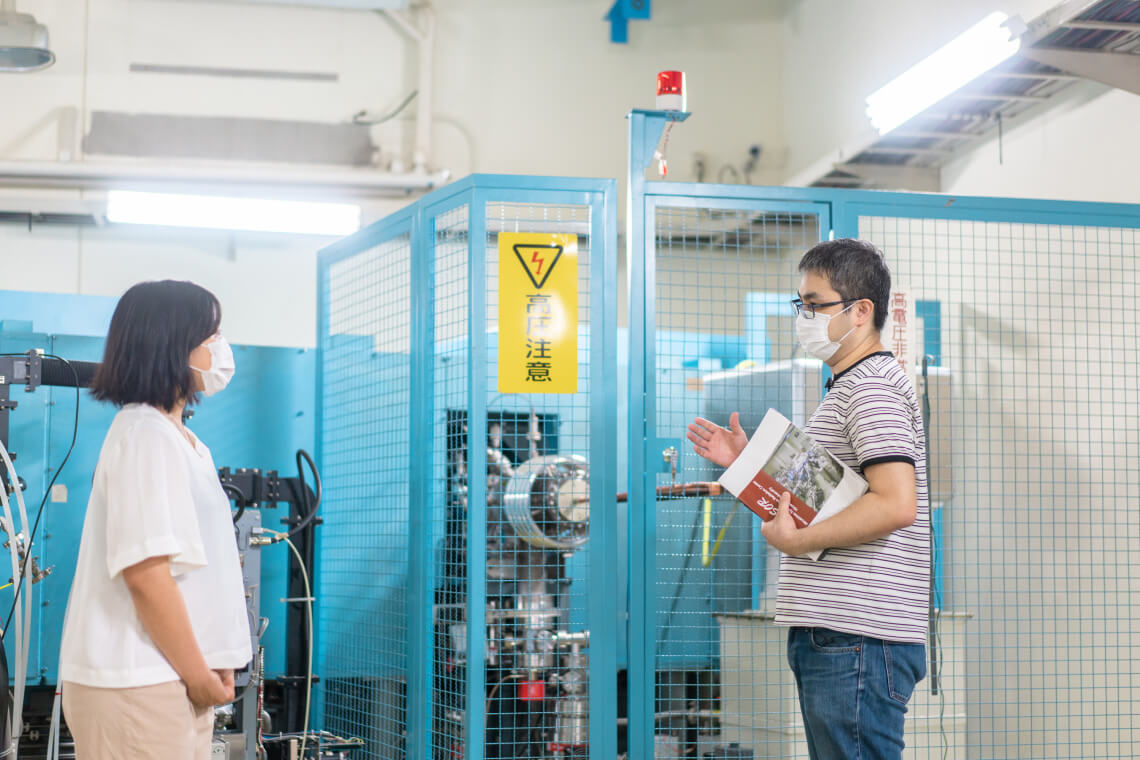
The Sustainability-Contributing Chiral Knot Metamaterials Center (SKCM2 ) was established in 2022 after being selected for the World-Class Research Center Program (WPI) by Japan's Ministry of Education, Culture, Sports, Science and Technology.
At WPI-SKCM2, we conduct research in materials science that combines insights from mathematical knot theory and the property of chirality, transcending disciplinary boundaries.
We are developing hypermaterials—technologically important materials with knot-like shapes that do not exist in nature.
WPI-SKCM2 aims to contribute to solving global issues, including climate change, by deepening our understanding of nature through international and interdisciplinary research.

RISE Research Institute For Semiconductor Engineering
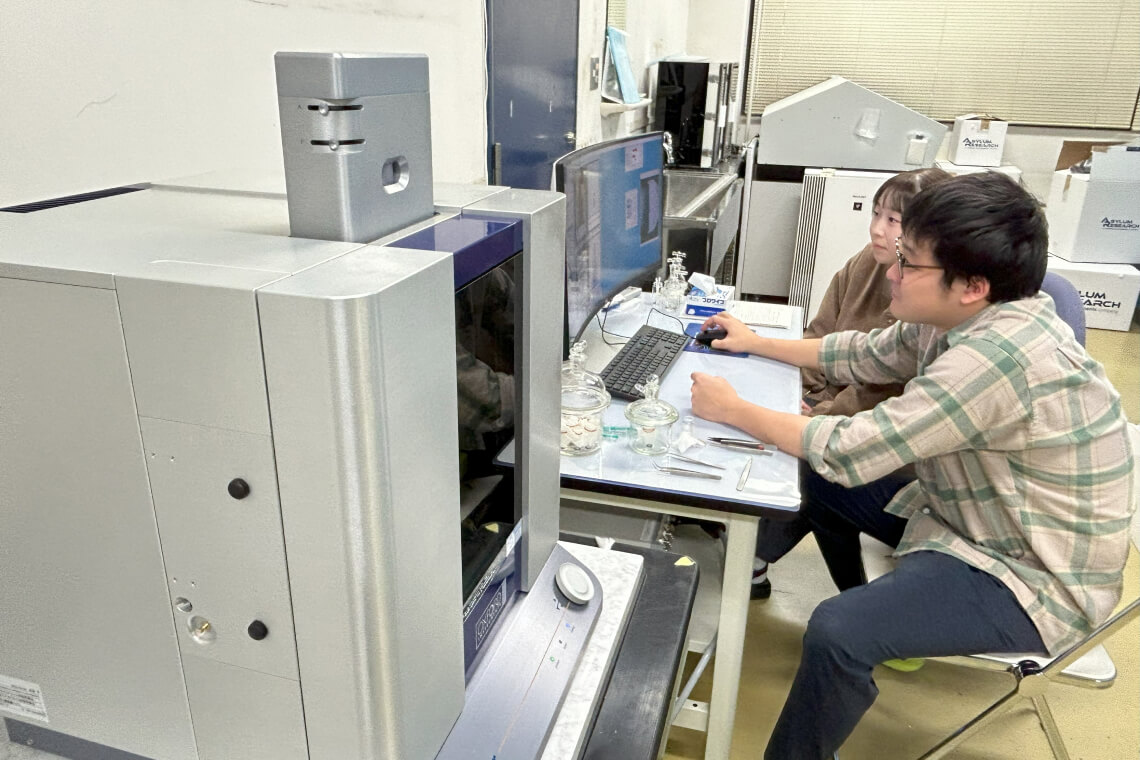
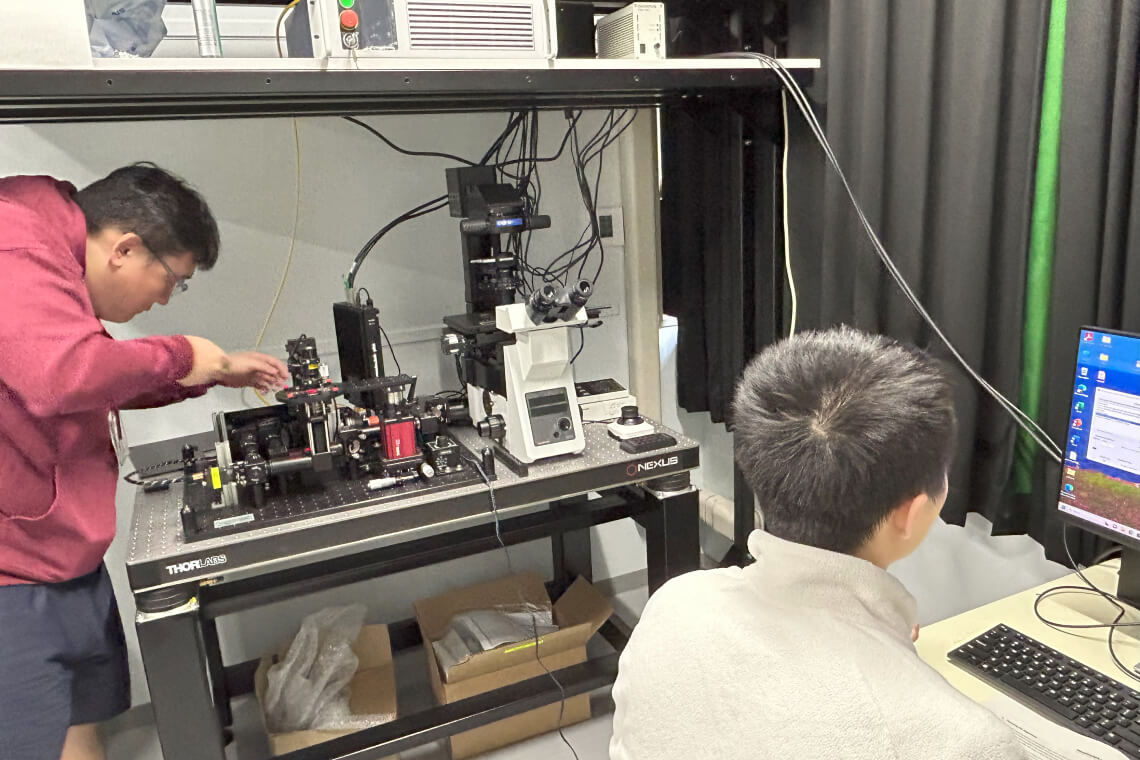
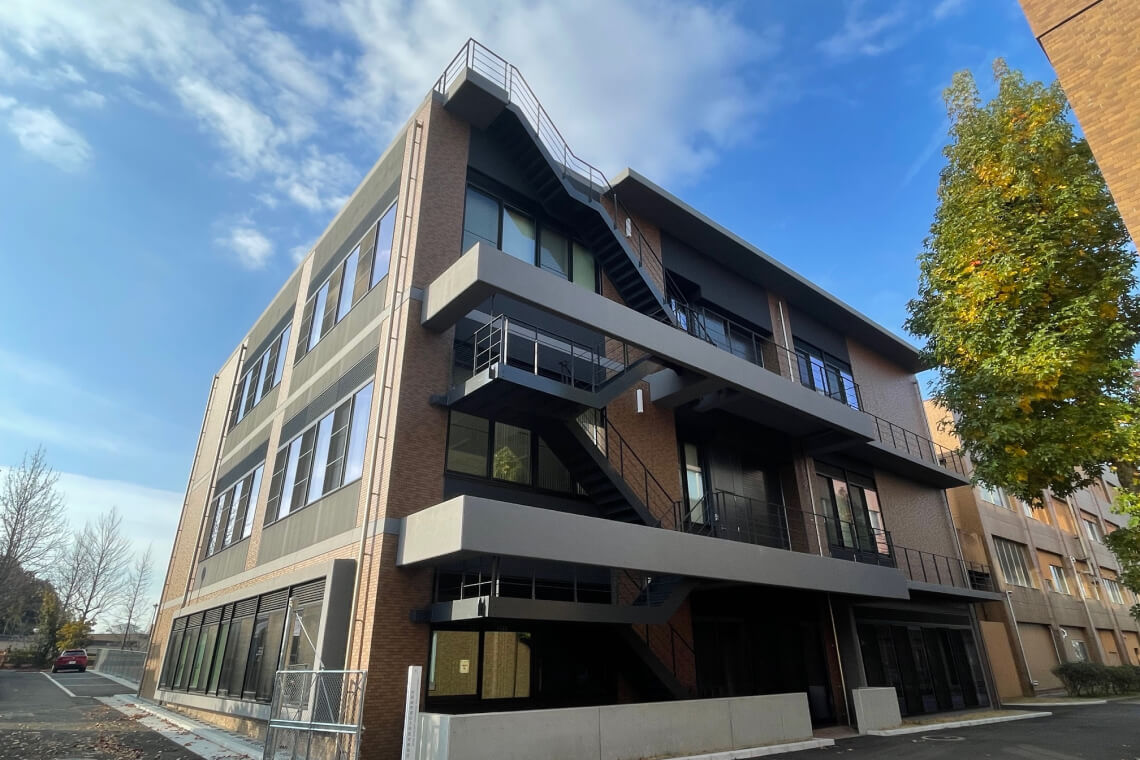
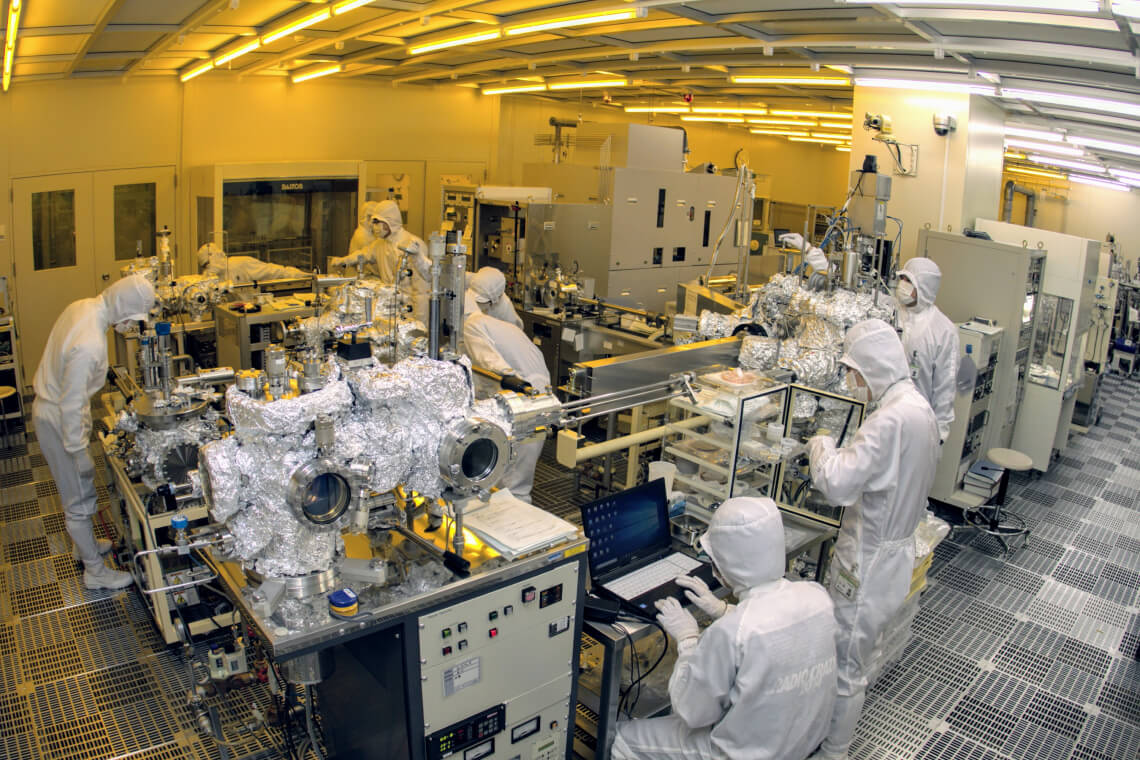
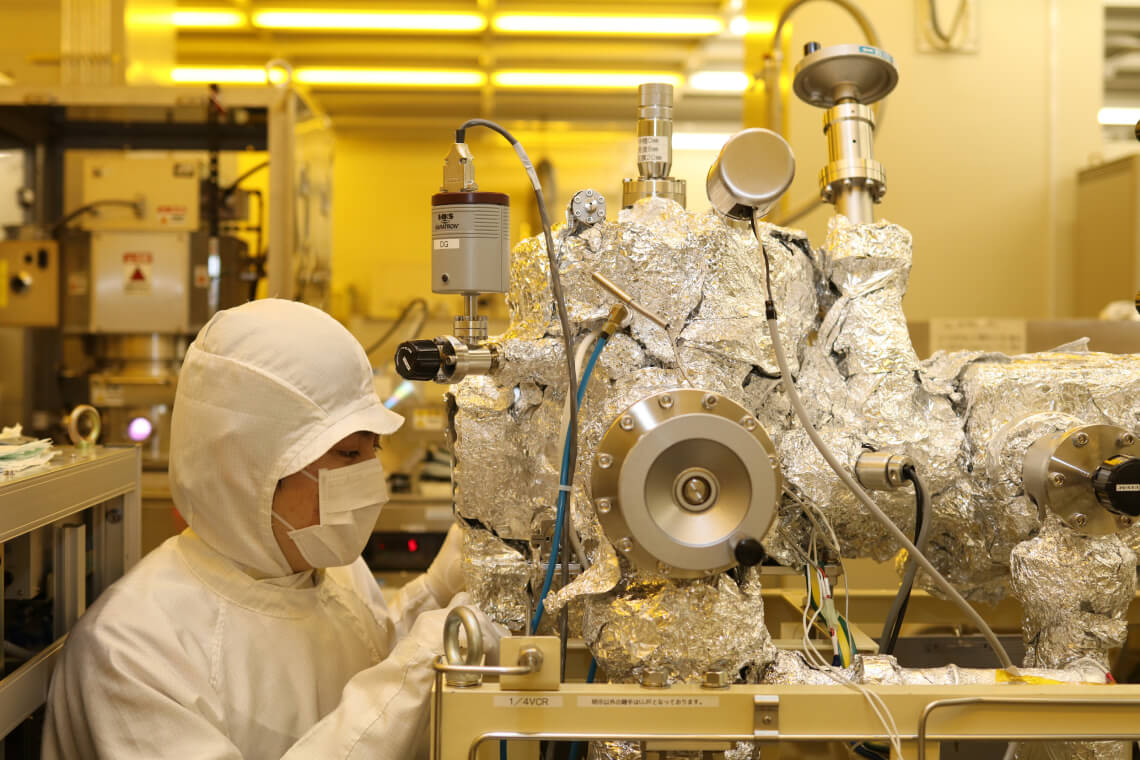
Research Institute For Semiconductor Engineering was established to envision the future of the semiconductor industry and to conduct research and development of the necessary technologies and cultivate highly skilled personnel to realize that vision. The institute consists of three research divisions—the Semiconductor Strategy Research Division, the Nano Device Research Division, and the Interdisciplinary Research Division—along with the Research Support and Facility Management Office.
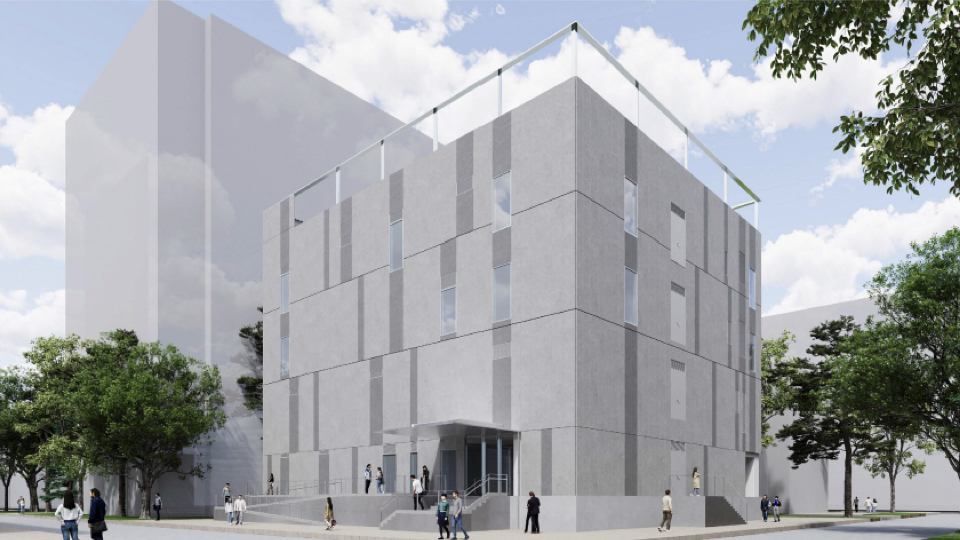
PSI GMP Education and Research Center
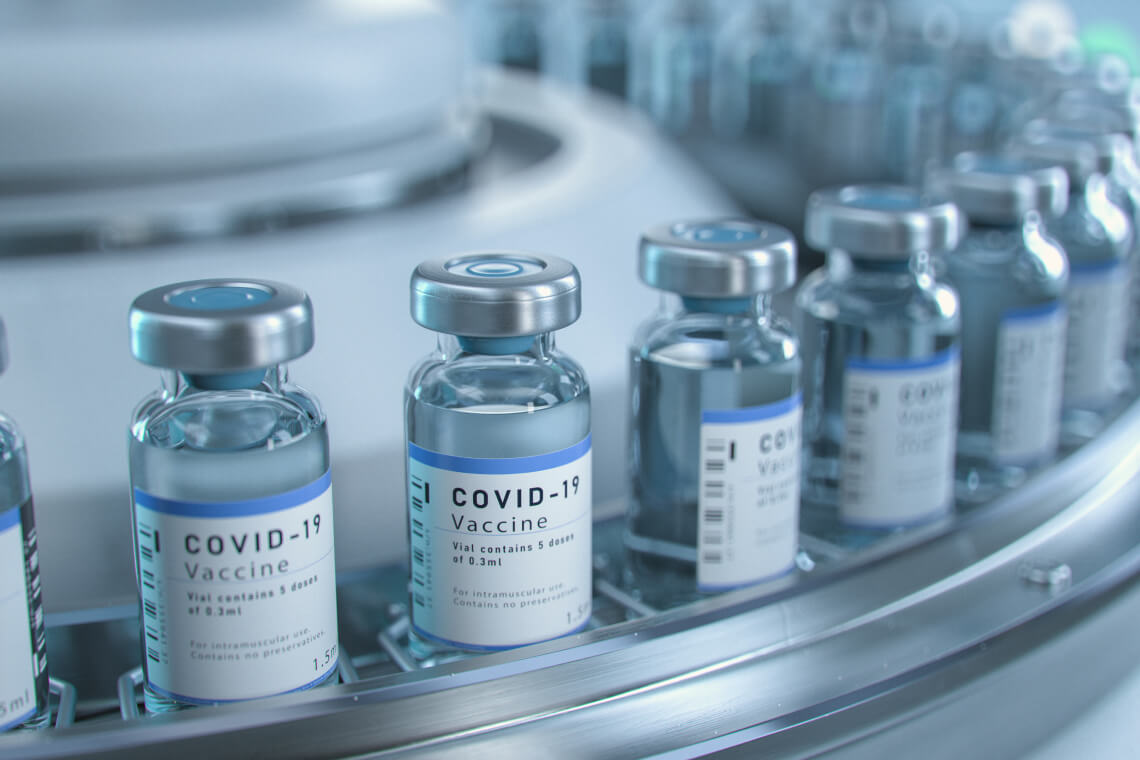
We provide advanced training to address challenges in manufacturing and quality control of vaccines and pharmaceuticals in compliance with international regulations, while advancing our university's unique medical research and seamlessly promoting initiatives through to clinical research and development.
Genome Editing Innovation Center
The Genome Editing Innovation Center was established as Japan's core hub for genome editing research, aiming to develop Japan-originated genome editing tools and establish application technologies. It promotes the evolution of efficient and high-precision modification technologies through five pillars: fundamental technology development, bio-manufacturing, creation of disease model cells and animals, human resource development, and industry-academia collaboration.
The Center has developed domestically produced genome editing tools such as Platinum TALEN and ZF-ND1. It disseminates internationally competitive results through providing technology for creating cancer therapy cells and developing allergy-reduced eggs. Through collaborations with COI-NEXT and the Graduate School Excellence Program, it cultivates researchers and students both domestically and internationally, accelerating industry-academia co-creation in the field of genome editing.