2026.01.07
【Event Report】The 3rd Research Data Ecosystem Chugoku-Shikoku Consortium Symposium "Research Data Organization Techniques and Utilization Strategies" was held.
Hiroshima University held the "3rd Research Data Ecosystem Chugoku-Shikoku Consortium Symposium: Organizing Research Data and Utilization Strategies" on Friday, December 26, 2025.
This symposium was conducted in a hybrid format with the aim of sharing knowledge ranging from the fundamentals of research data management (RDM) to practical utilization methods.
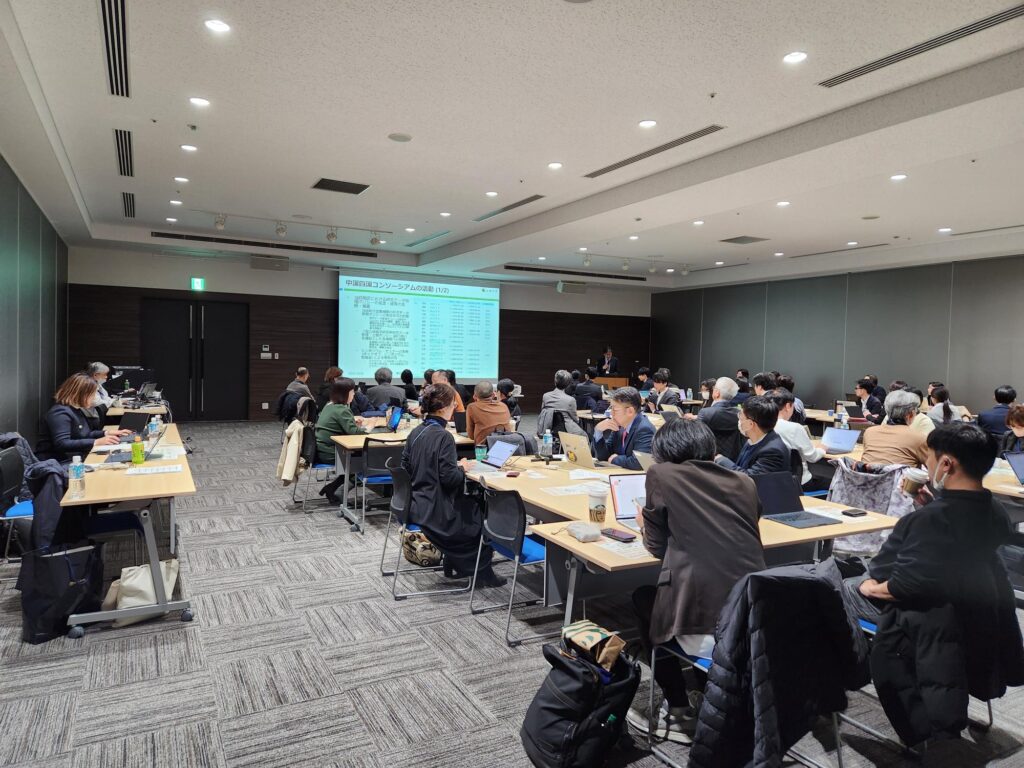
On the day of the event, 48 participants attended the on-site venue (Hiroshima Convention Hall), while over 130 joined online. Participants from diverse backgrounds gathered, including URAs, library staff, information infrastructure personnel, and researchers from universities and research institutions across Japan, primarily from the Chugoku and Shikoku regions.
Event Overview
Date and Time: Friday, December 26, 2025, 1:00 PM to 5:30 PM
Venue: Hiroshima Convention Hall + Zoom (Hybrid Event)
Organized by Hiroshima University and the National Institute of Informatics
Collaboration: Yokohama National University, Research Promotion Organization, URA Development Education and Research Center
Medical Research Support Program (FY2025 AMED)
"Hiroshima-Kobe-Kumamoto Medical Innovation and Research Joint Promotion Initiative (HK²-MIRAI)"
From Fundamentals to Practice in Research Data Management
The first session featured presentations on fundamental themes such as "What is Research Data Management?", "The Significance of Research Data Management Plans (DMPs)", and "Utilizing Research Data".
Speakers provided clear explanations, using concrete examples, on how to manage research data—which underpins research activities—and utilize it effectively for the future.
In the subsequent session, participants deepened their understanding while envisioning implementation and operation at their own institutions. This was achieved through presentations on how to utilize the research data management platform "GakuNin RDM" provided by the National Institute of Informatics, its use cases at universities, and examples of initiatives within university-collaborative research programs.
Practical learning through group work
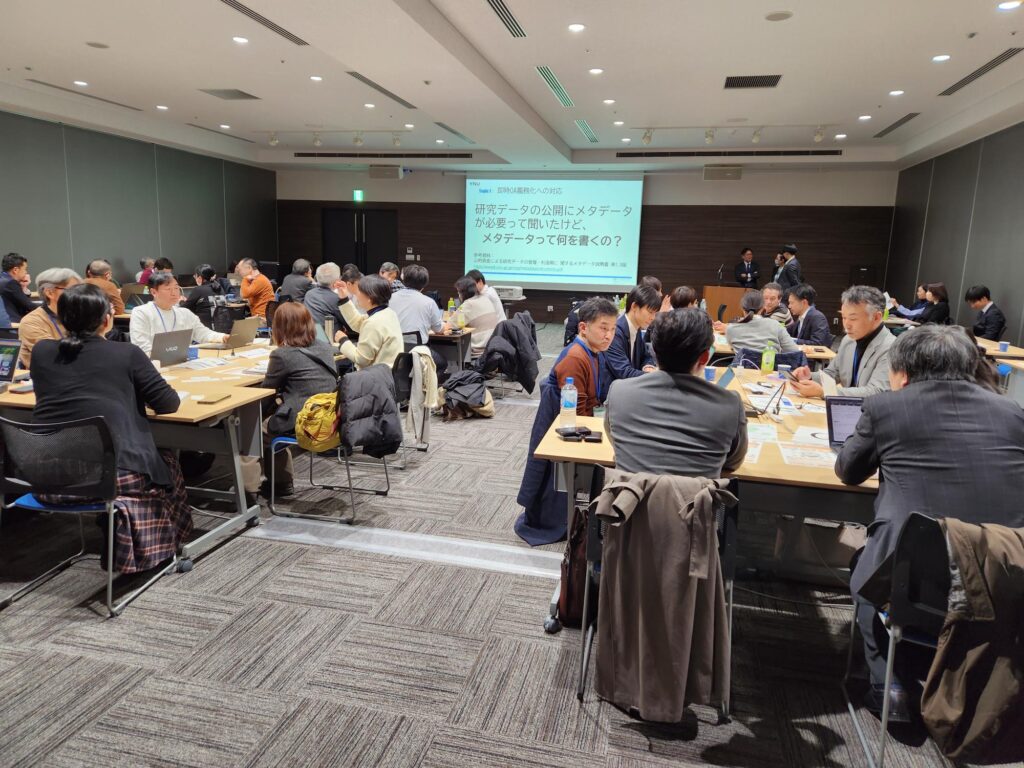
In the latter half, we conducted group work themed "Who Does What? Research Data Management Support."
Each group discussed challenges and role allocation concerning research data management, then submitted and shared their content and findings via a dedicated form. This effort made diverse perspectives, approaches, and the current status at each institution visible among both on-site and online participants. It provided an opportunity to deepen understanding of the roles fulfilled by researchers, URAs, library staff, information infrastructure personnel, and others in their respective positions.
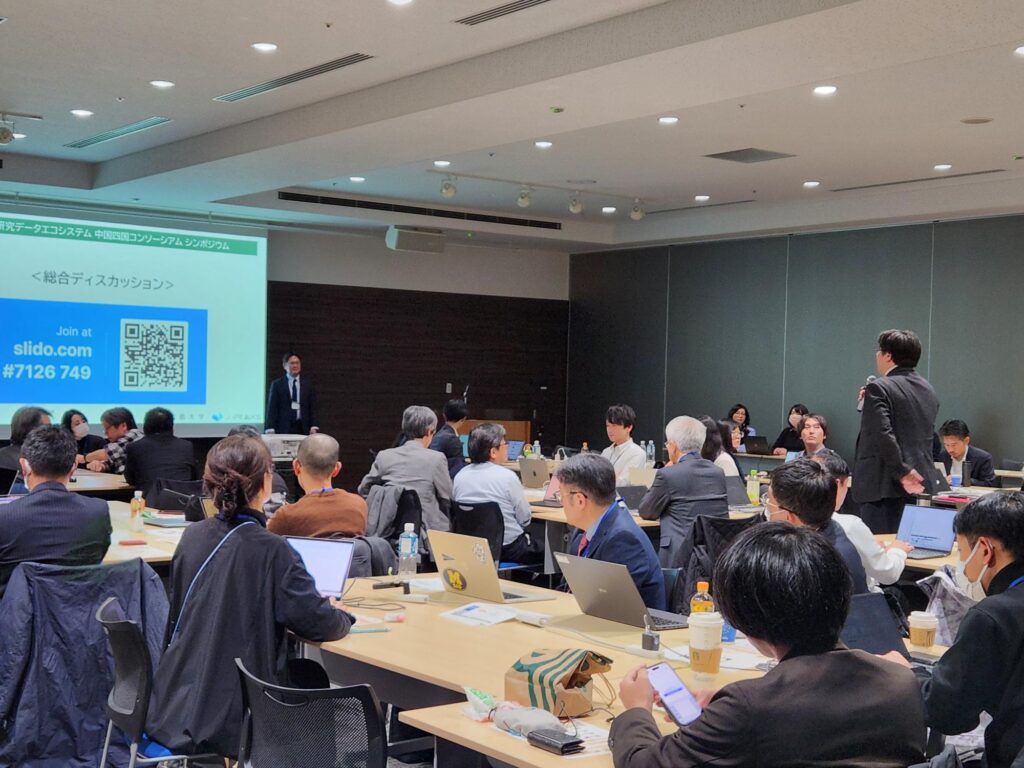
The symposium concluded successfully with a comprehensive discussion and closing session that outlined challenges and prospects for the future development of the research data ecosystem.
Participants provided overwhelmingly positive feedback, noting that the content helped them visualize what Research Data Management (RDM) entails and how GakuNin RDM can be practically applied. Many expressed a renewed sense that RDM is not an abstract concept but something directly relevant to their work.
Thank you to everyone who participated.